Simpplr. Employee Recognition.

Helping organisations run meaningful recognition at scale.

Designing a tentpole product that helped organisations turn fragmented employee appreciation into visible, values-led recognition inside the digital workplace people already used.

Role
Product Designer
Team
1 Product Manager,
6 Engineers
Year
2022—23

Overview

Employee Recognition was Simpplr's third add-on product and a strategic opportunity to grow the employee-experience platform beyond intranet communications. As the sole product designer, I led the end-to-end experience and usability testing, from the early-access release of Peer Recognition through the general-availability launch of Recurring Awards and the Recognition Hub.

This case study centres on Recurring Awards, from configuring an award and defining who could participate, through managing nominations and selecting recipients, to the employee nomination journey itself. The aim was to bring recurring awards into the digital workplace, giving administrators, delegates, and employees a single integrated programme in place of fragmented manual processes or a separate recognition platform.
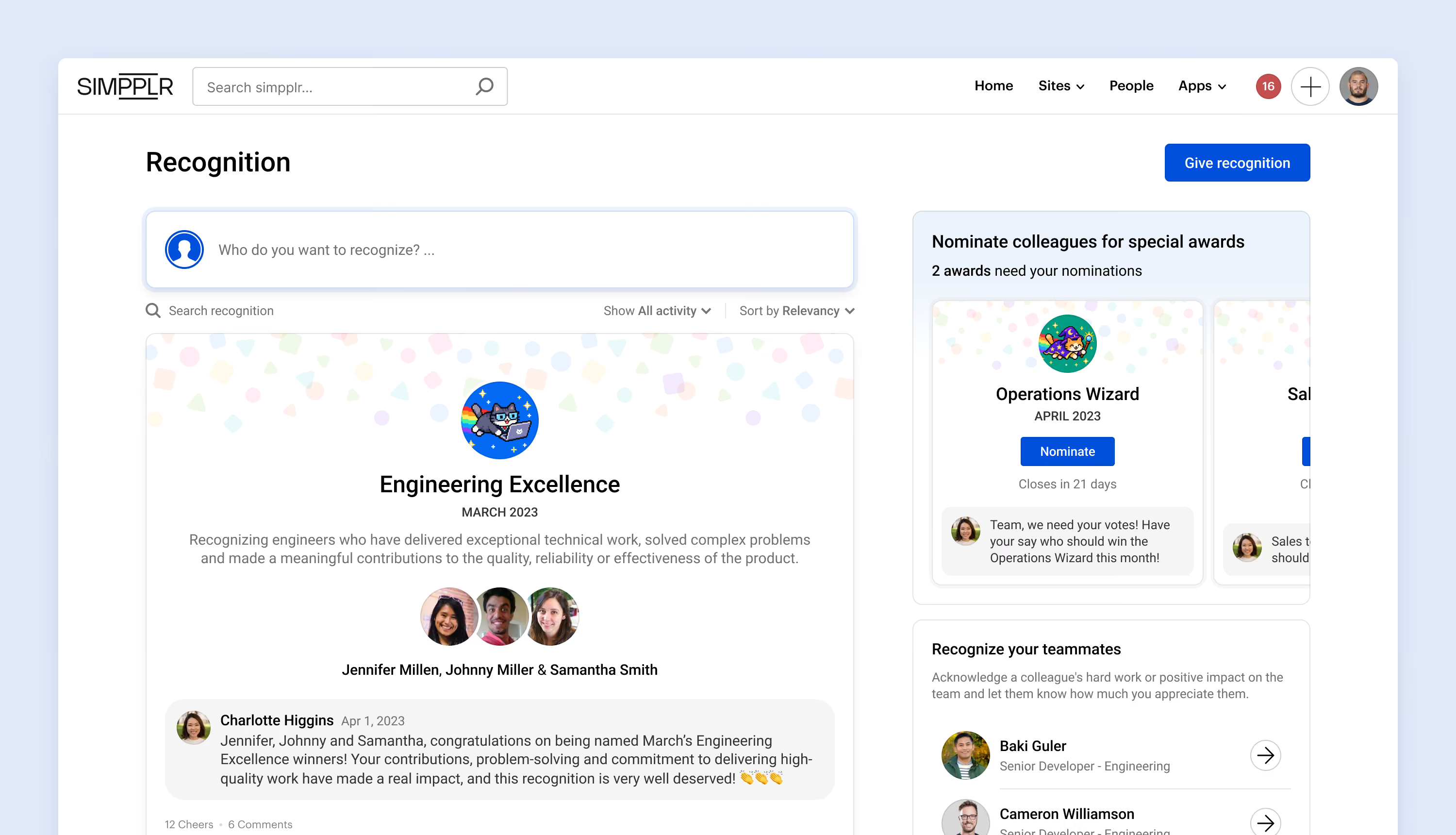
Simpplr Recognition dashboard showing an Engineering Excellence award, nomination cards, and teammates to recognize

Product impact

$1.1M
First-year revenue
124
Customers in year one
20%
Add-on attach rate
+62%
Platform engagement

The opportunity

Formal recognition programmes were difficult to sustain. HR and internal communications teams often relied on nomination forms, spreadsheets, folders, and repeated reminders to open nominations, chase decisions, announce winners, and start the next cycle. Even when organisations used a dedicated recognition platform, it was often separate from the intranet employees used every day—splitting participation and programme administration across two products.

Simpplr had an opportunity to bring these needs together. By combining a structured, recurring award programme with the digital workplace, we could give programme owners one integrated place to run awards while making participation easier to discover in employees’ everyday flow of work.

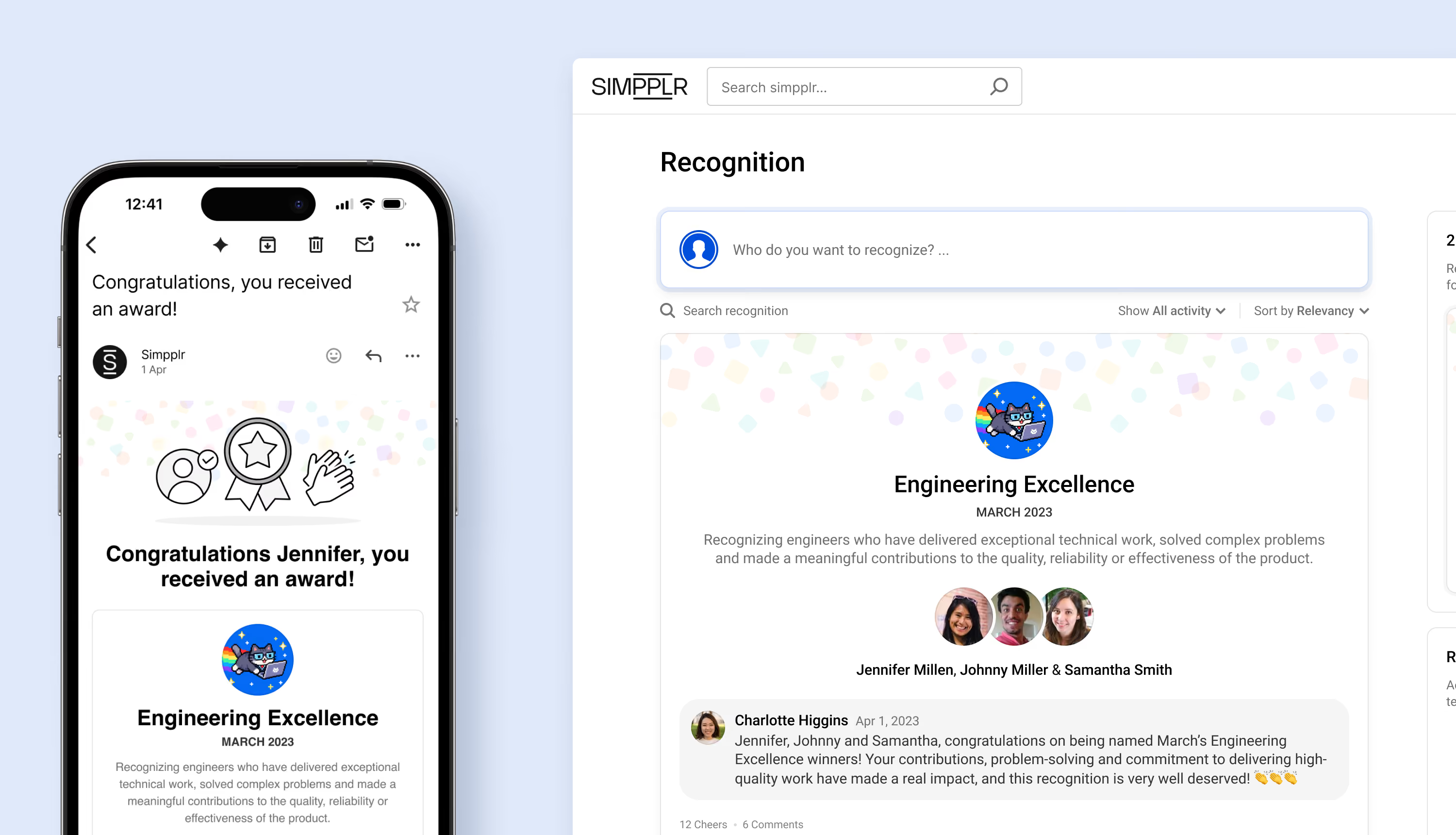
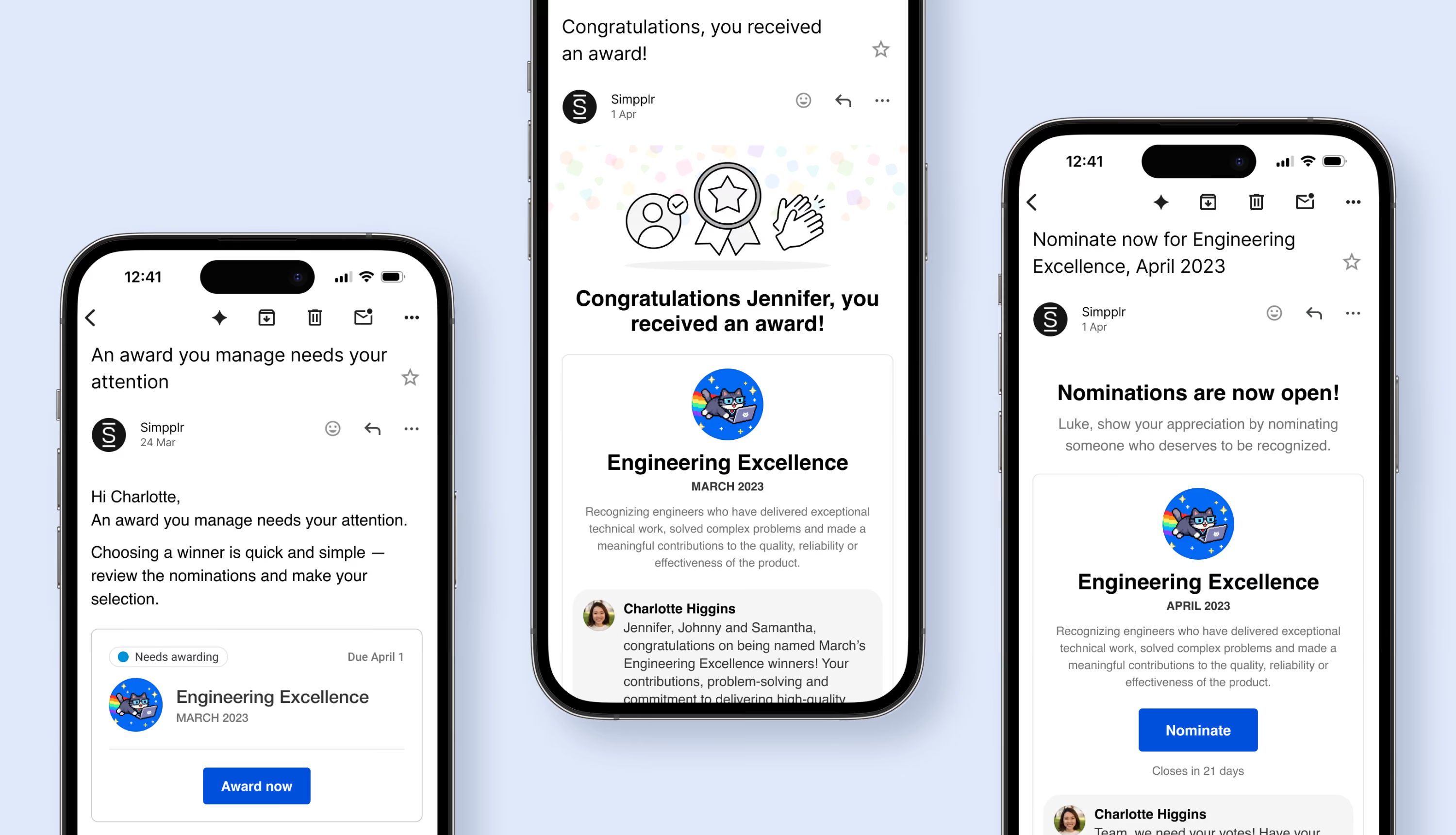
Three mobile email notifications for managing an award, receiving an award, and nominating a colleague.

The solution

I designed Recurring Awards as an integrated experience that connected award configuration, cycle management, and employee participation within Simpplr’s digital workplace. It gave organisations one place to run formal recognition, rather than asking employees and programme owners to work across a separate recognition platform and their intranet.

The solution served three distinct groups:

  • Programme managers could create an award, define its purpose, eligibility, nomination rules, ownership, anonymity, and cadence without navigating a dense configuration tool.
  • Award delegates could see what required action in each cycle, review nominations, select a recipient, and complete the award with the relevant context at hand.
  • Employees could discover open awards, understand who was eligible, and submit a meaningful nomination through a straightforward, contextual journey.
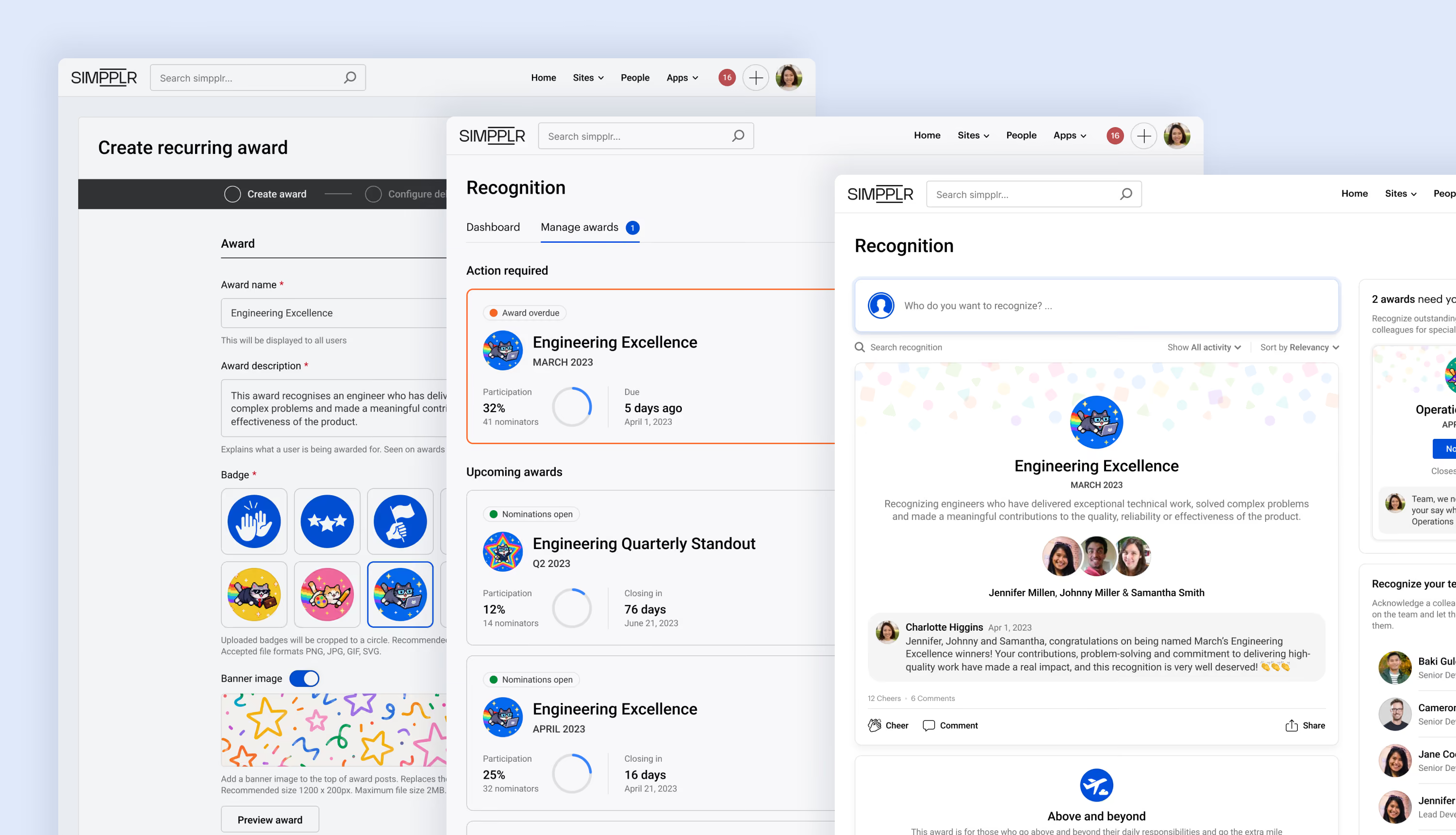
Composite view of creating, managing, and viewing recurring Engineering Excellence awards in Simpplr.

Creating an award

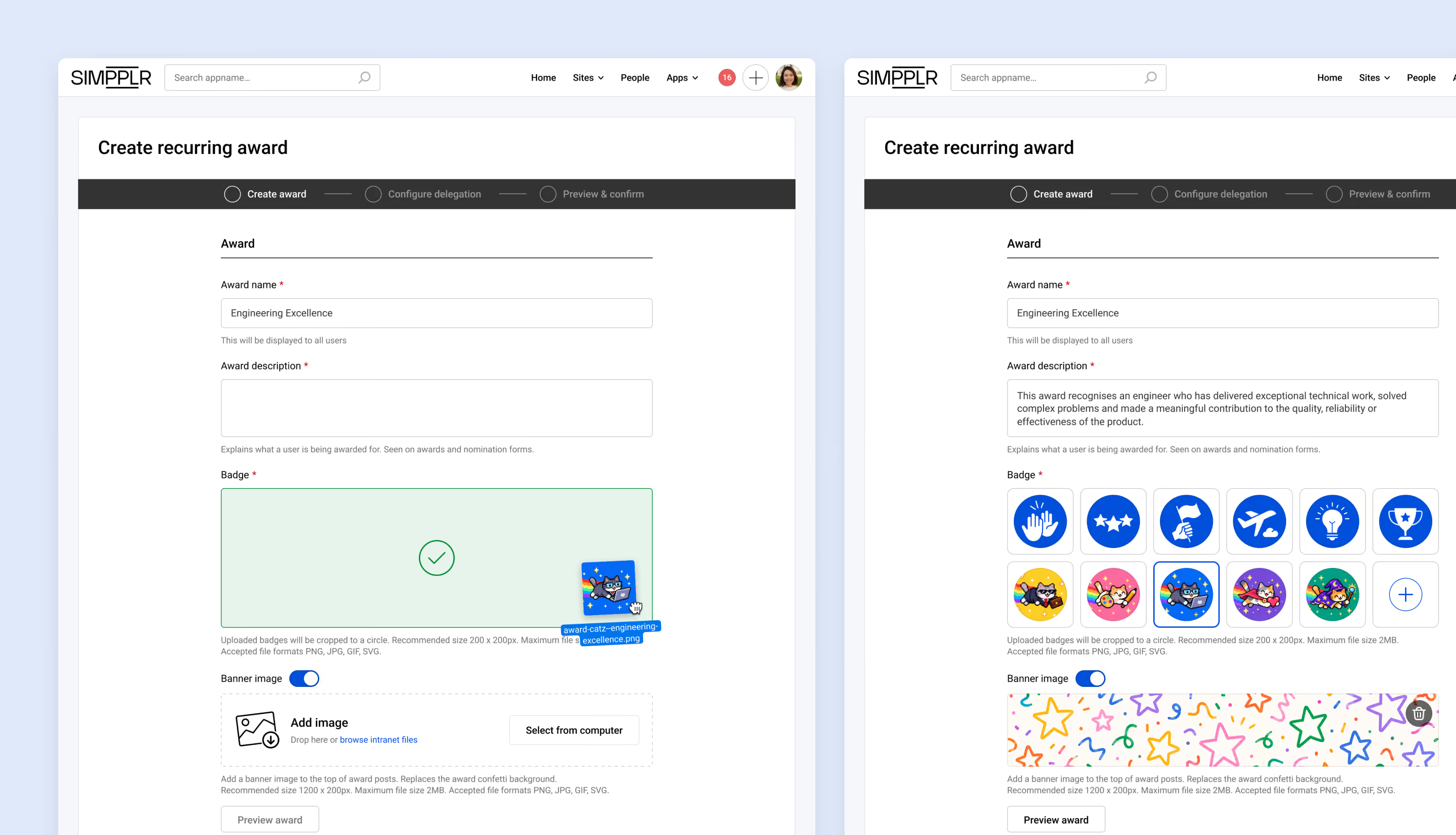
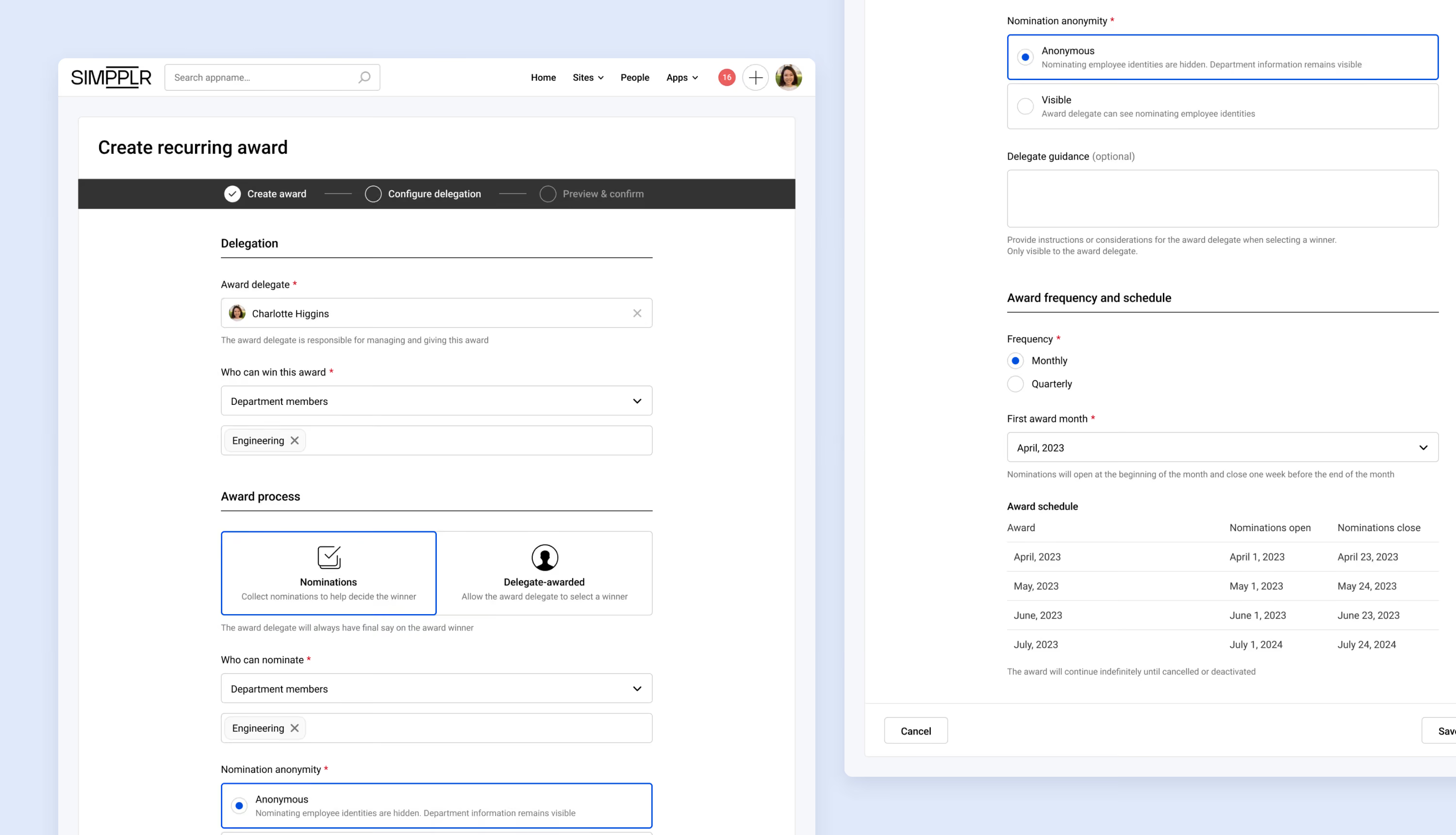
The configuration experience needed to accommodate real organisational variation without overwhelming the person setting it up. I created a structured flow that grouped choices into the natural questions a programme manager needed to answer:

  • What is this award for, and how should it be presented?
  • Who is eligible to receive it?
  • Who owns the decision, and who can nominate?
  • Are nominations anonymous?
  • When does the award run?

For the initial general-availability release, we focused the experience on monthly and quarterly awards with fixed participation and delegate-decision windows. That deliberate constraint made the first version easier to understand and allowed the small team to deliver a dependable end-to-end cycle on an aggressive timeline.

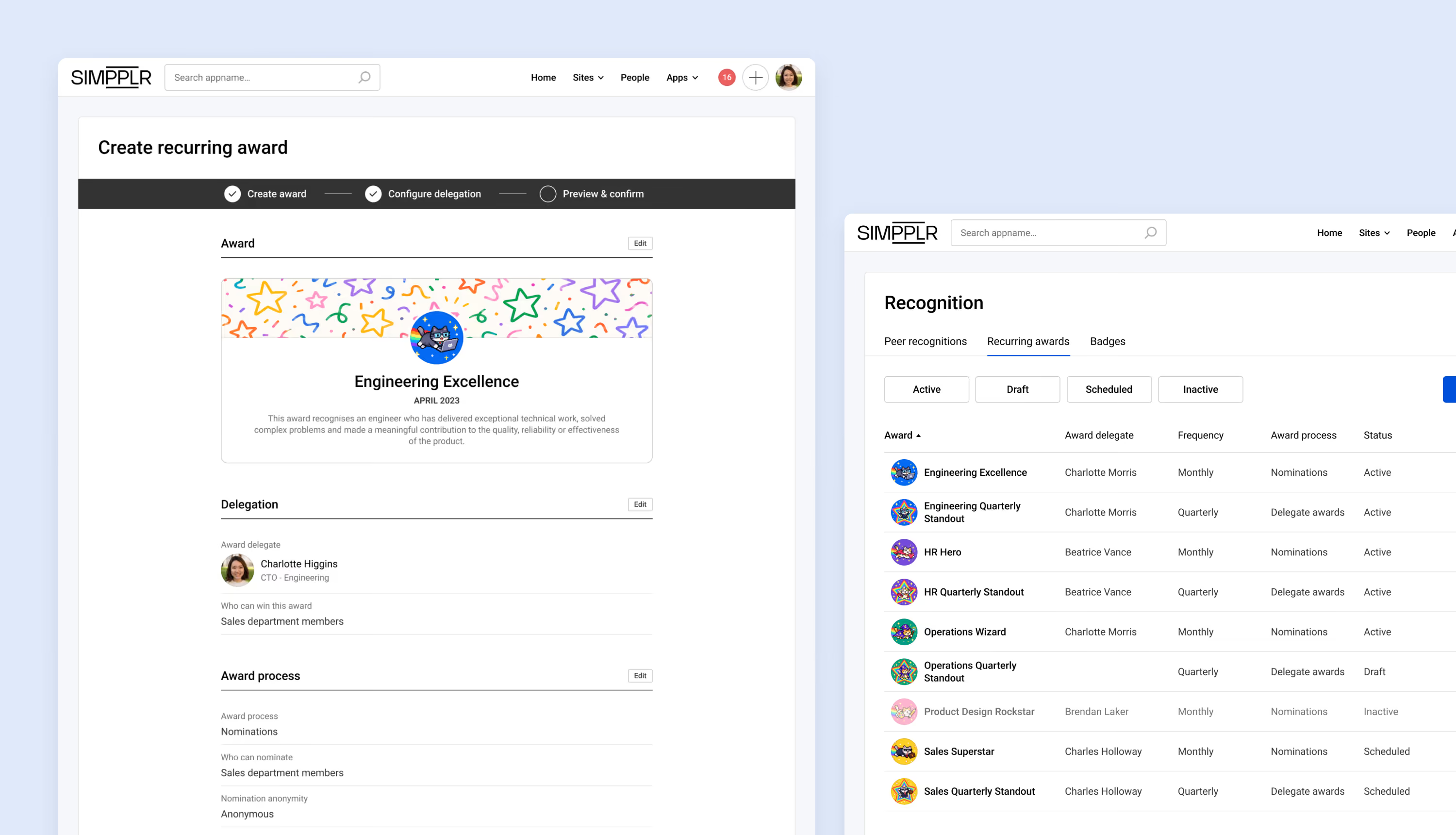
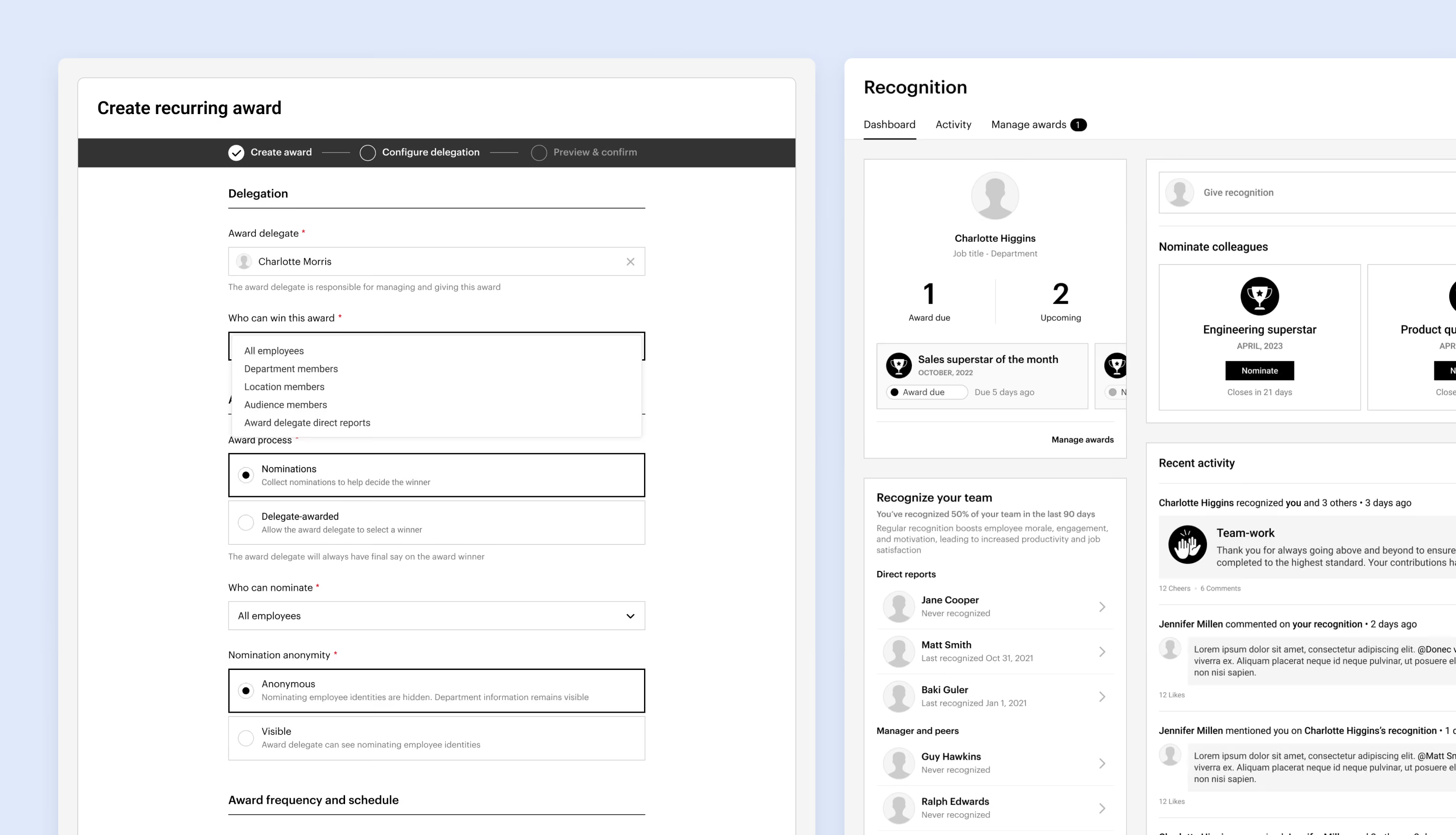
Award-creation form showing badge upload and banner-image selection steps.Recurring award delegation setup with eligibility, nomination process, anonymity, frequency, and schedule controls.Award preview and a management table listing recurring awards and their statuses.

Managing the award cycle

The central design challenge was making a periodic responsibility manageable for busy delegates by designing around the moments that required action.

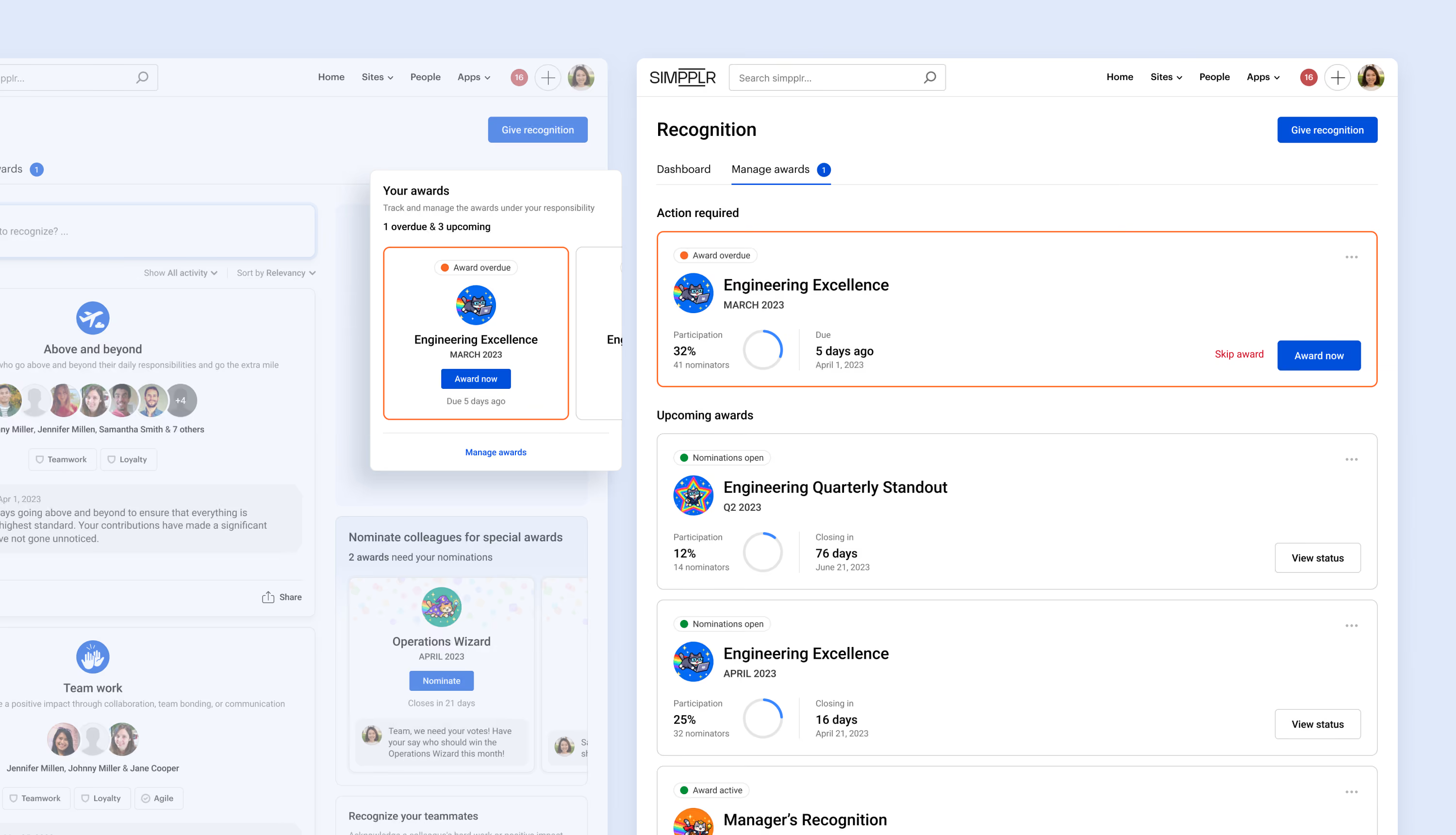
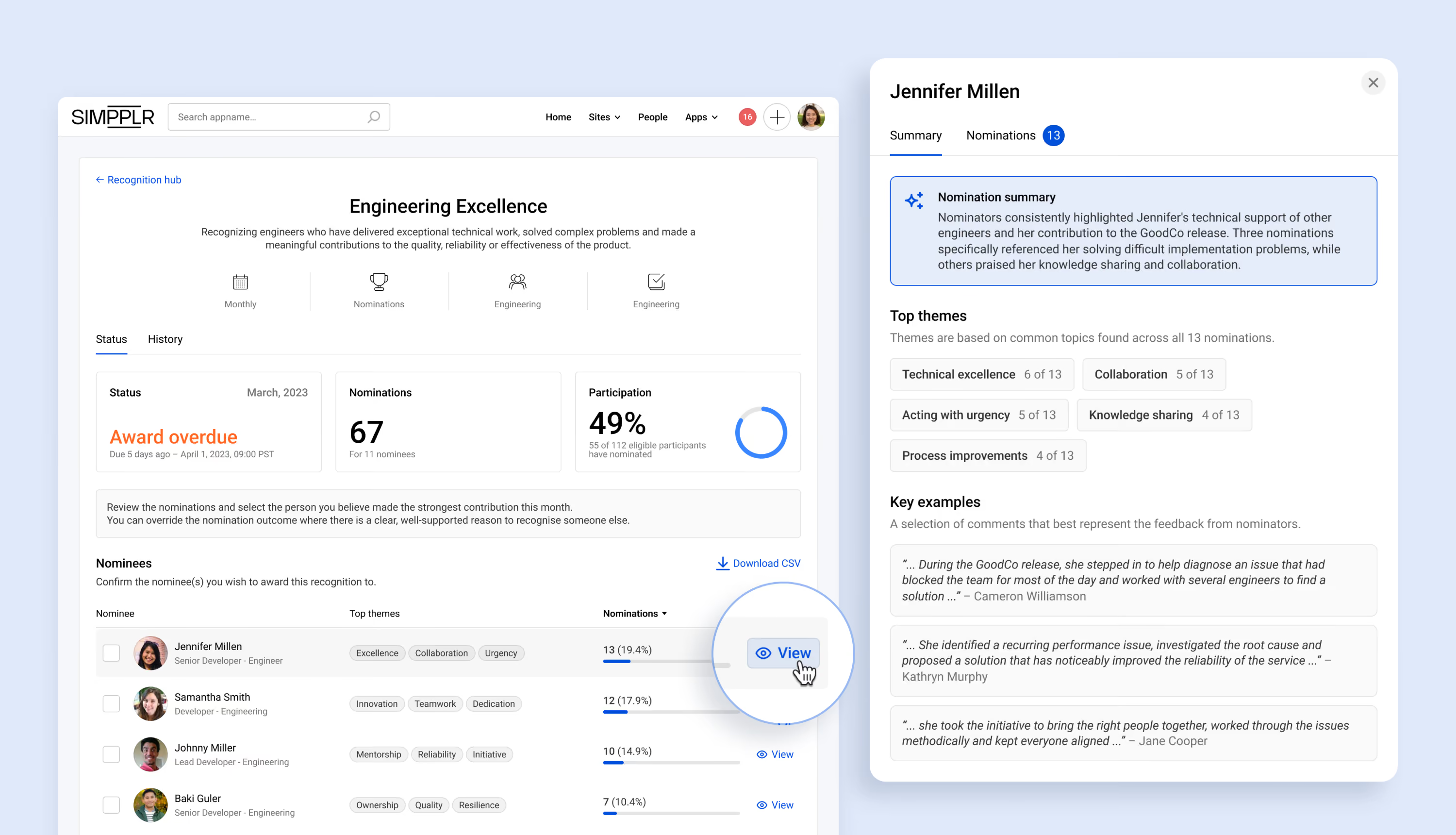
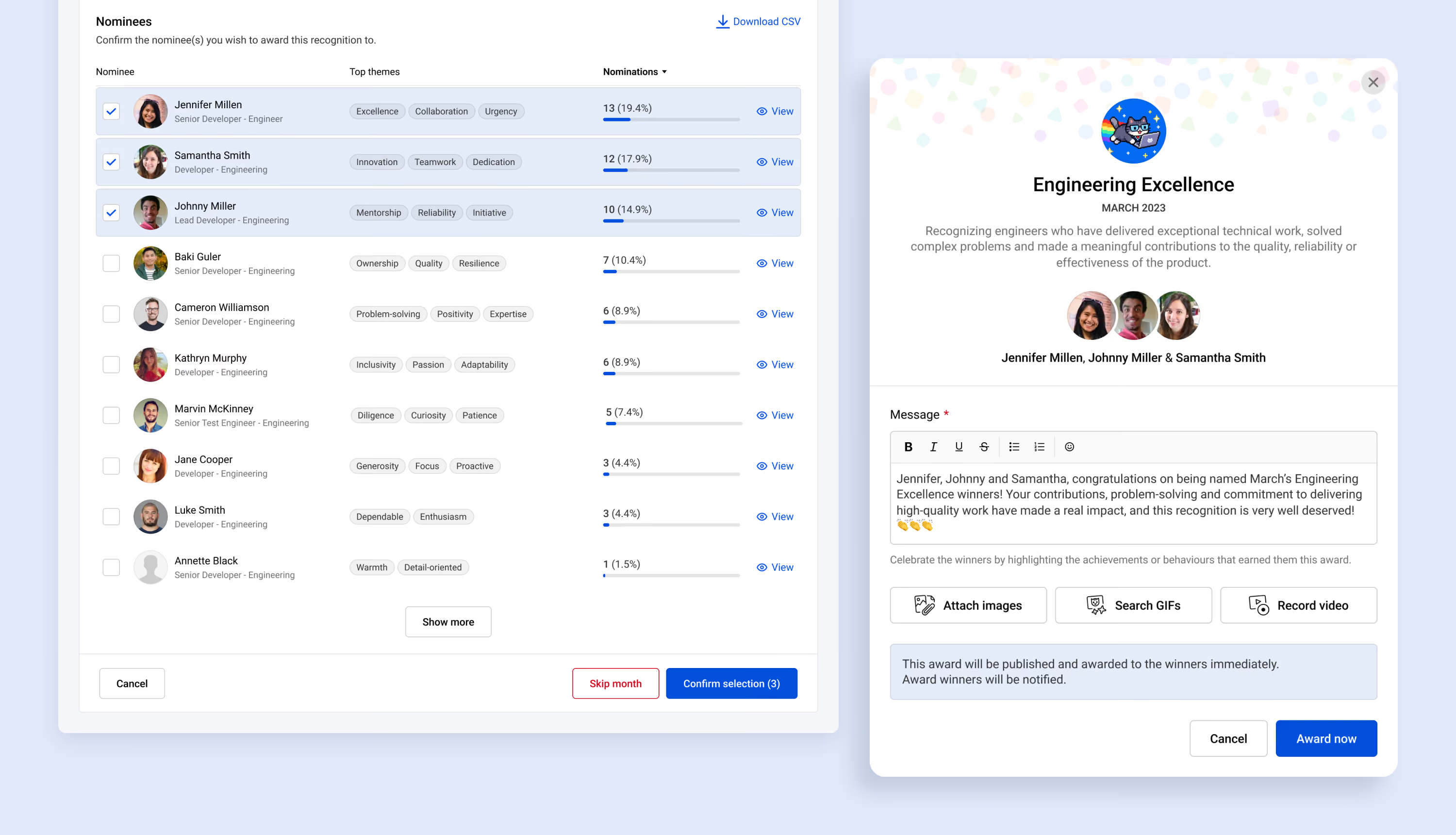
Delegates had a dedicated dashboard for managing the awards they were responsible for, supported by clear calls to action on the intranet homepage and timely notifications. Within the dashboard, each award’s status—open, closed, overdue, or upcoming—made the next step clear. Delegates could review nominations, check recipient history and eligibility, then make and complete an award decision from the same place.

To help delegates drive participation, I gave them the option to add a message to an open award and share it with employees, making each nomination window easier to promote in a relevant, timely way.

Recognition dashboard with an overdue award card and a detailed manage-awards view.Award manager reviews nominees alongside a summary of one nominee’s nomination themes and feedback.Award manager selects three nominees and writes a congratulatory message before awarding them.

Employee participation

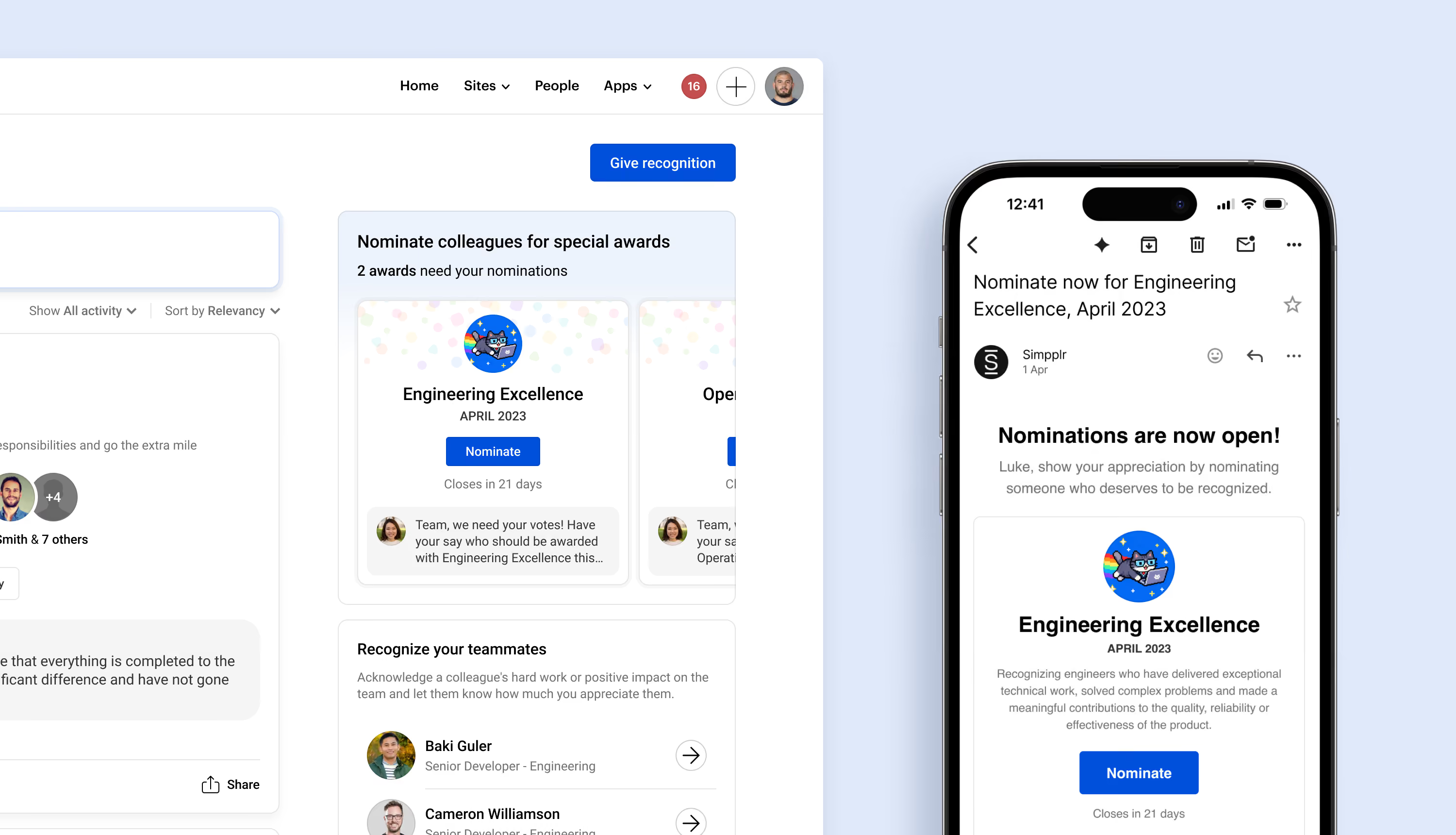
For employees, taking part needed to be easy to discover, straightforward to complete, and feel purposeful. The nomination flow made the essentials clear: which awards were open, who could be nominated, and why the nominee deserved recognition. Requiring a written reason made the action feel purposeful and gave award delegates the context they needed to make a considered decision.

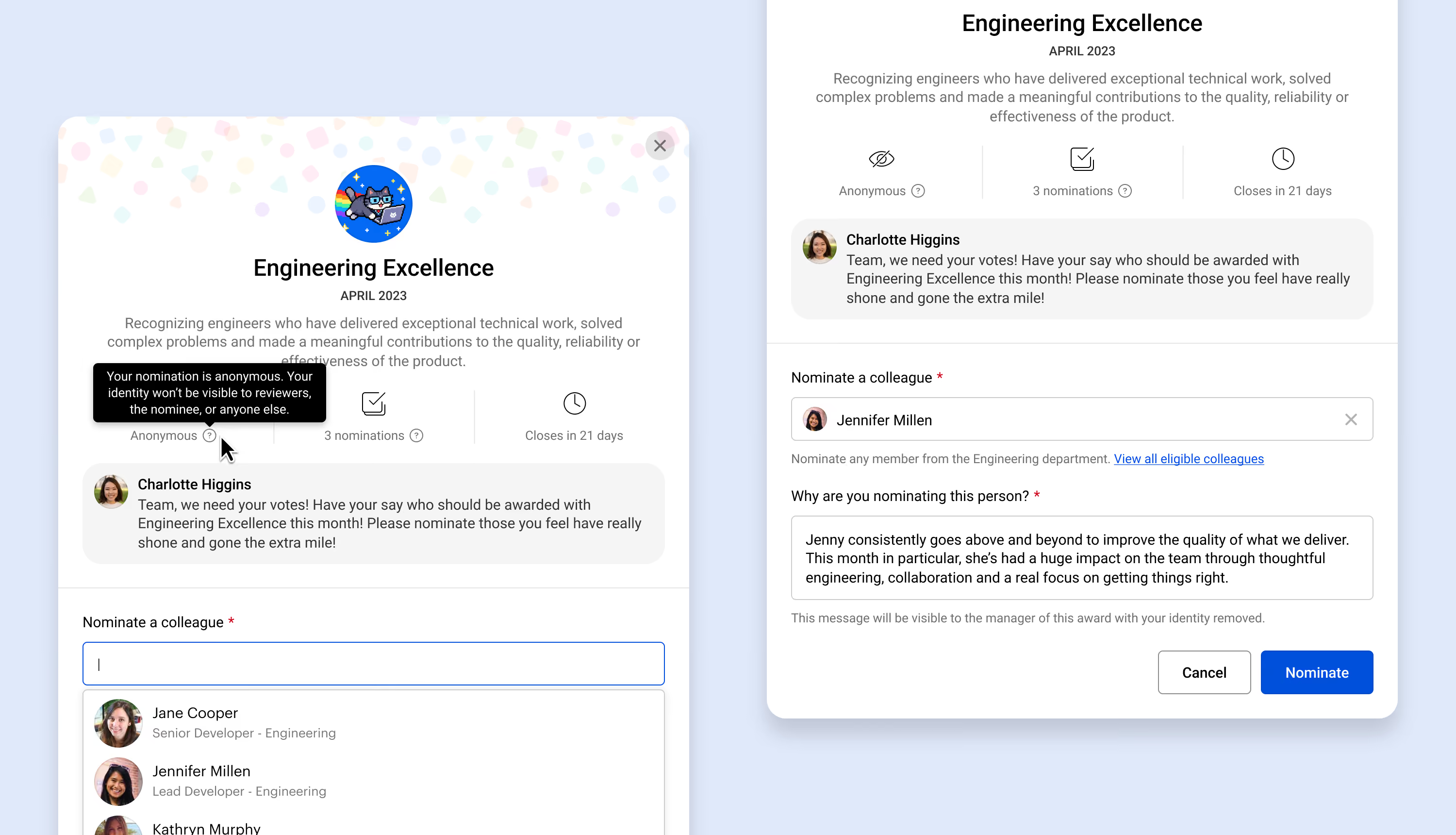
Recognition dashboard and mobile email invite prompting employees to nominate colleagues for Engineering Excellence.Anonymous nomination form showing colleague search, a written nomination, and award details.Mobile award-notification email beside the desktop Recognition dashboard showing the corresponding award post.

Testing and iteration

Before GA, I tested the nomination experience with 12 participants across internal users, UserTesting participants, and customers, alongside feedback on the end-to-end process from three early-access customers. The core nomination journey tested well: every participant rated nominating a colleague as easy or very easy, and most felt a written explanation should be required to encourage more meaningful nominations.

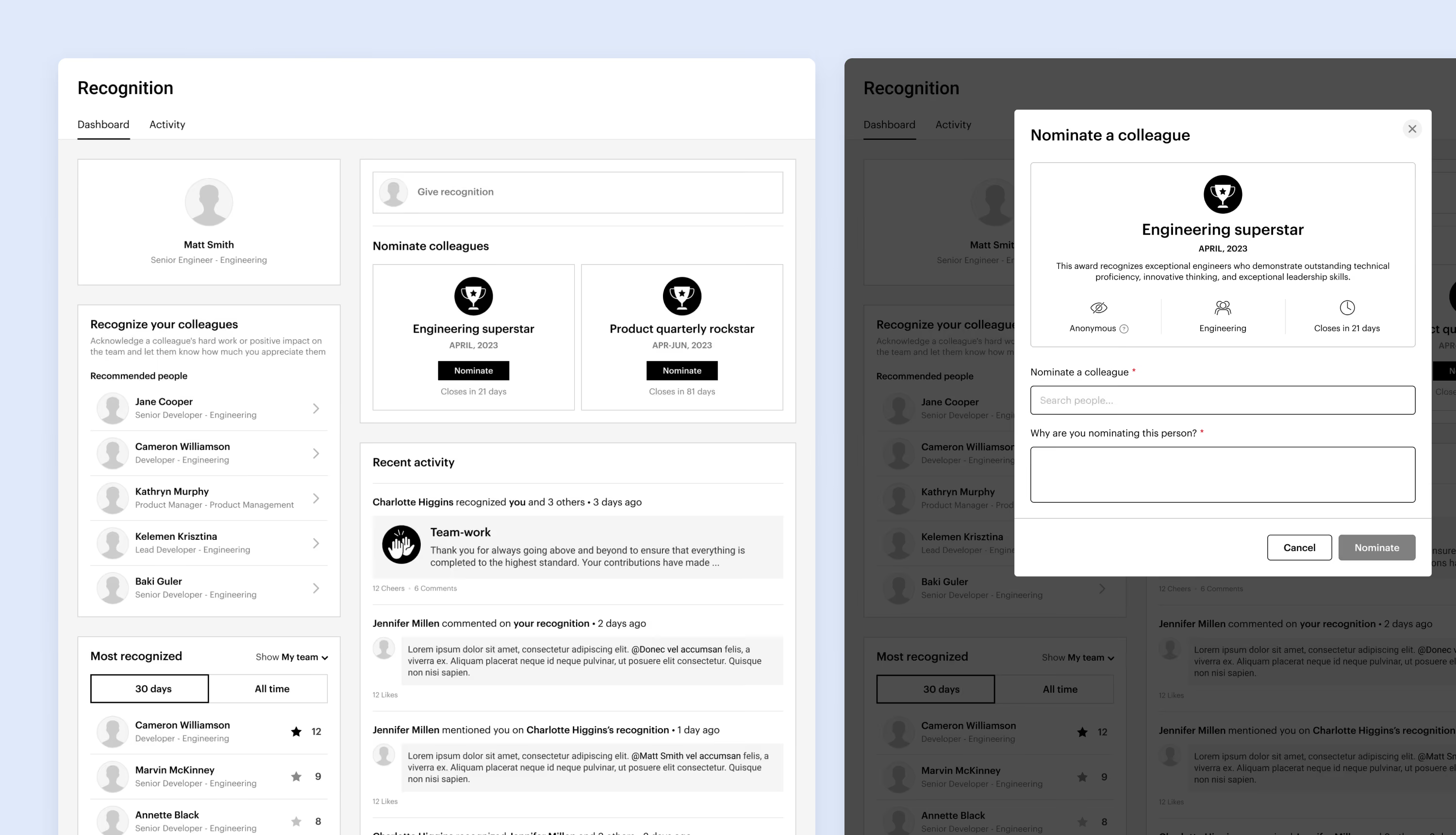
Testing also exposed two clarity gaps. Participants were divided on the importance of anonymous nominations, but also misunderstood who could see their identity when a nomination was not anonymous. So I improved the messaging and made it more prominent that nominations are never public; I also added guidance for recognition managers that anonymity can increase participation. Some participants also confused giving recognition with nominating for an award when the actions were grouped on the dashboard. I separated the actions and gave open nominations clearer context.

Wireframe designs for the recognition dashboard with award nomination cards and an open “Nominate a colleague” modal.Wireframe designs for recurring award delegation settings beside a Recognition dashboard with due awards, nomination cards, and recent activity.ination cards, and activity.

Outcome

Recurring Awards launched as part of Employee Recognition’s general-availability release, following early access to the wider product. The release established a foundation for organisations to move recurring recognition programmes out of disconnected tools and into the digital workplace employees already used.

Employee Recognition generated $1.1M in first-year revenue, reached 124 customers, and achieved an approximately 20% attach rate. Customers with Employee Recognition enabled saw an average of 62% more participants and 26% more contributors across their intranet.

At Agero, the launch generated roughly 100 unique recognition posts and a 22× increase in content engagement in its first month.